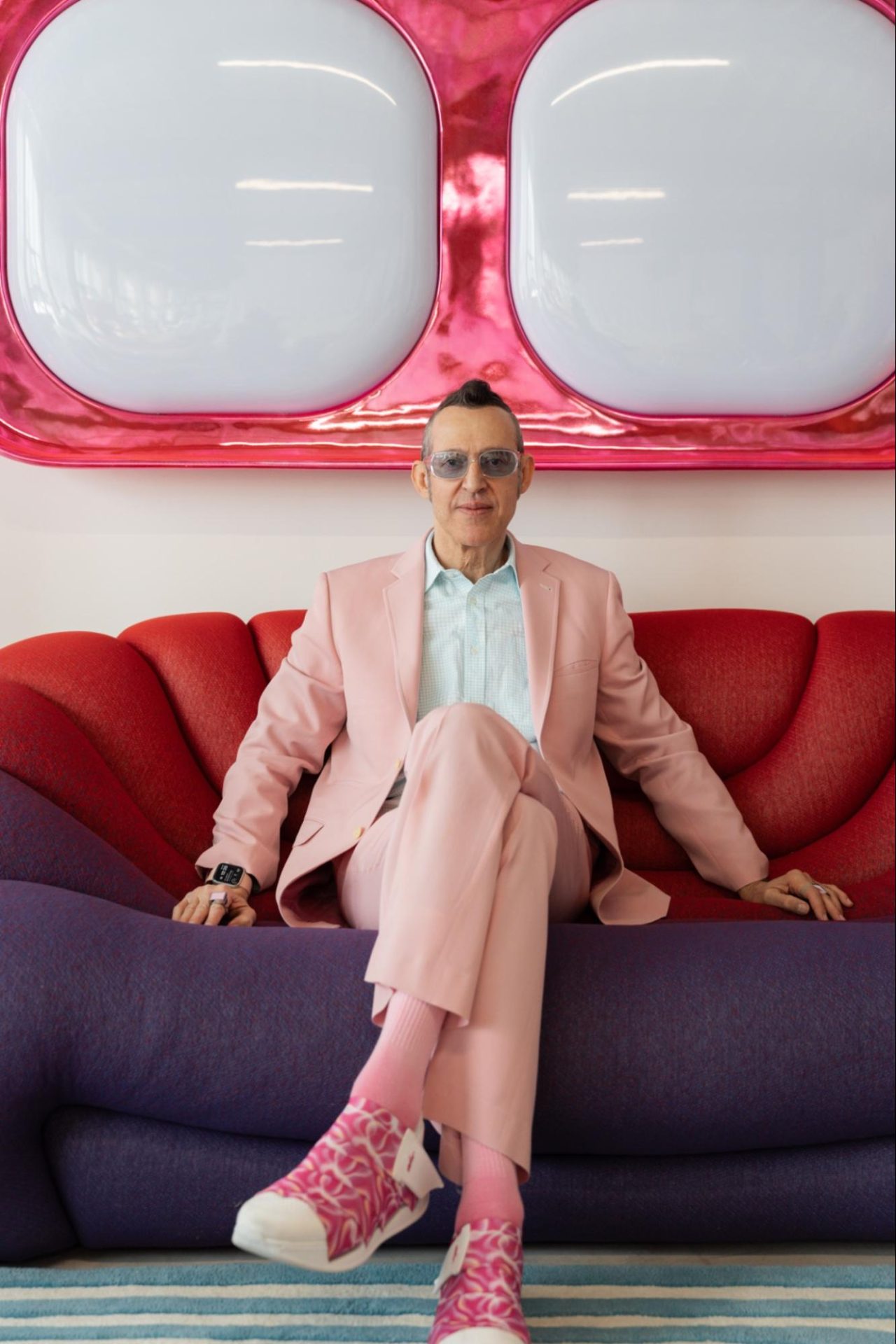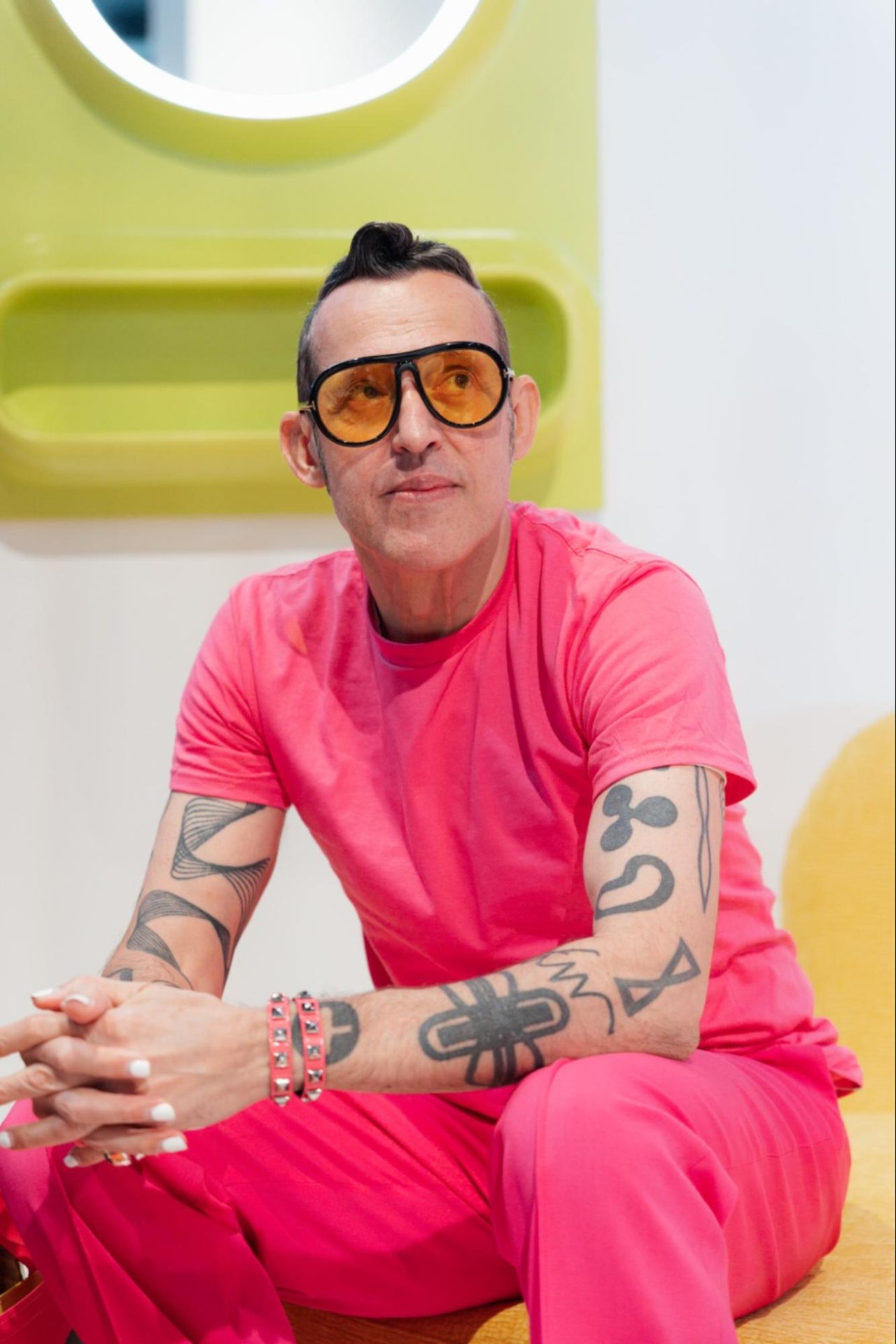
Karim Rashid is the world’s most prolific industrial designer, whose work in bright hot color and biomorphism is iconic. I was completely blown away when Rashid agreed to an interview with DomaChroma Magazine! Born in Cairo and raised in Canada, he’s run his New York studio since 1993. Rashid has designed everything from the Garbo waste can for Umbra, to New York City manhole covers. His architecture is legendary. His work is included in 20 permanent museum collections around the world. We connected when, online, I simply referred to his furniture designs as classic. I’m obsessed with his use of bright bold colors and fluid shapes, and realized that his unique style compliments all other design styles. Follow him on Instagram @karim_rashid_official, and see all of his work at karimrashid.com.
DomaChroma: What is your favorite color, and why?
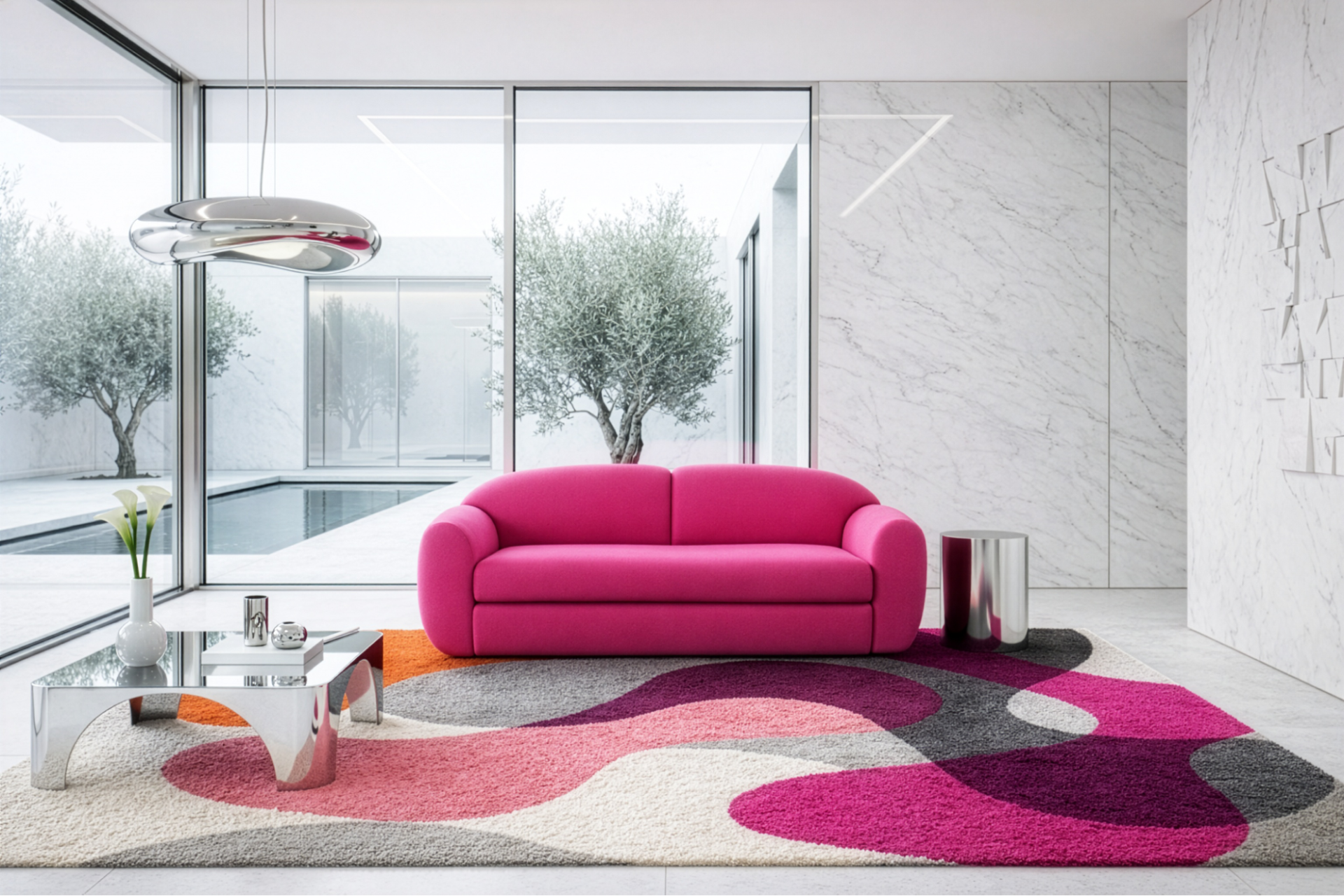
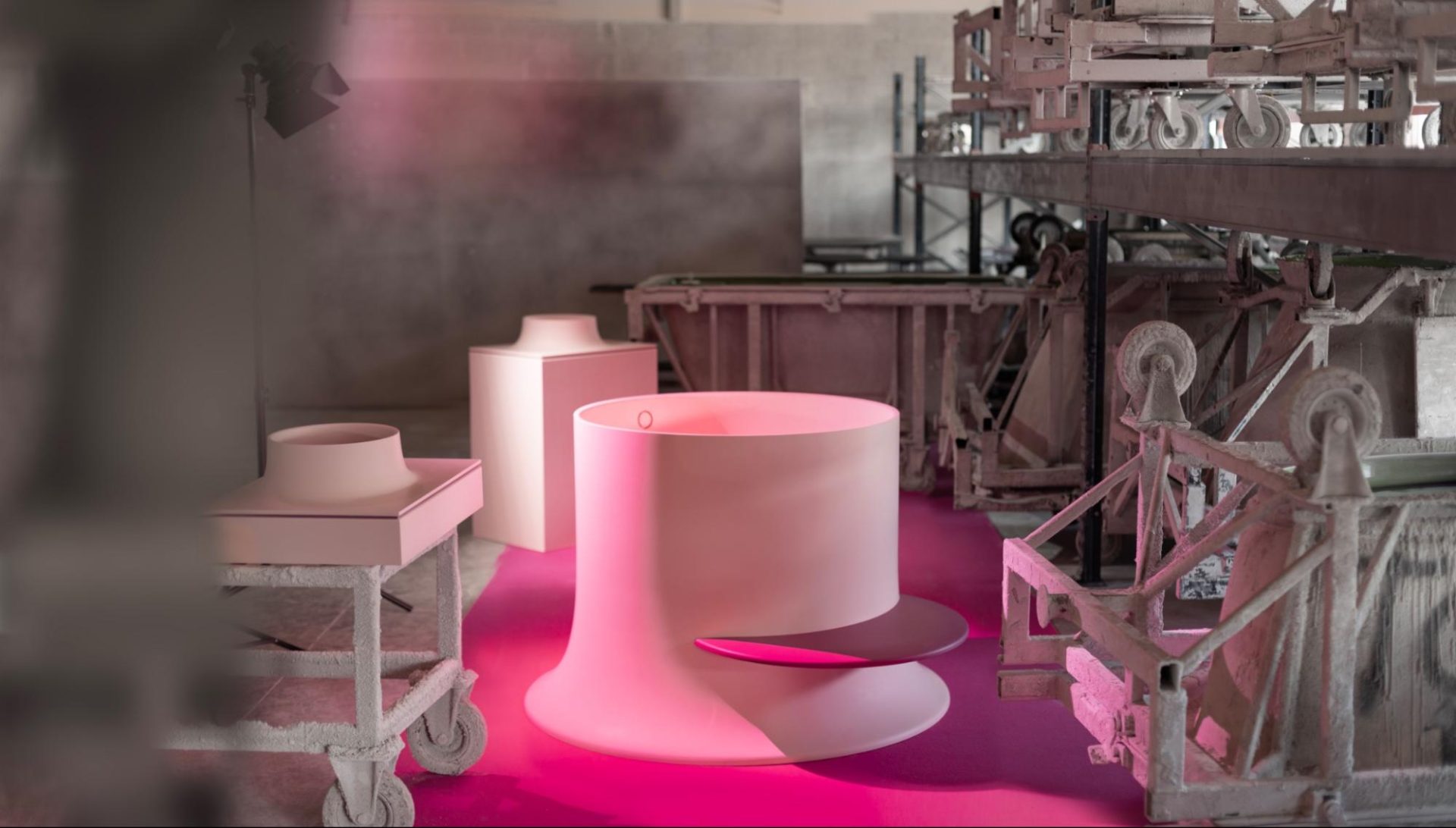
Karim Rashid: Pink. It has been part of my visual language for decades. It is optimistic, sensual, human, and full of energy. Pink can be soft or electric. It changes with the light and with the colors around it. I never tire of it.
DC: You’ve said that “color is emotion, psychology and spirituality.” Would you explain further?
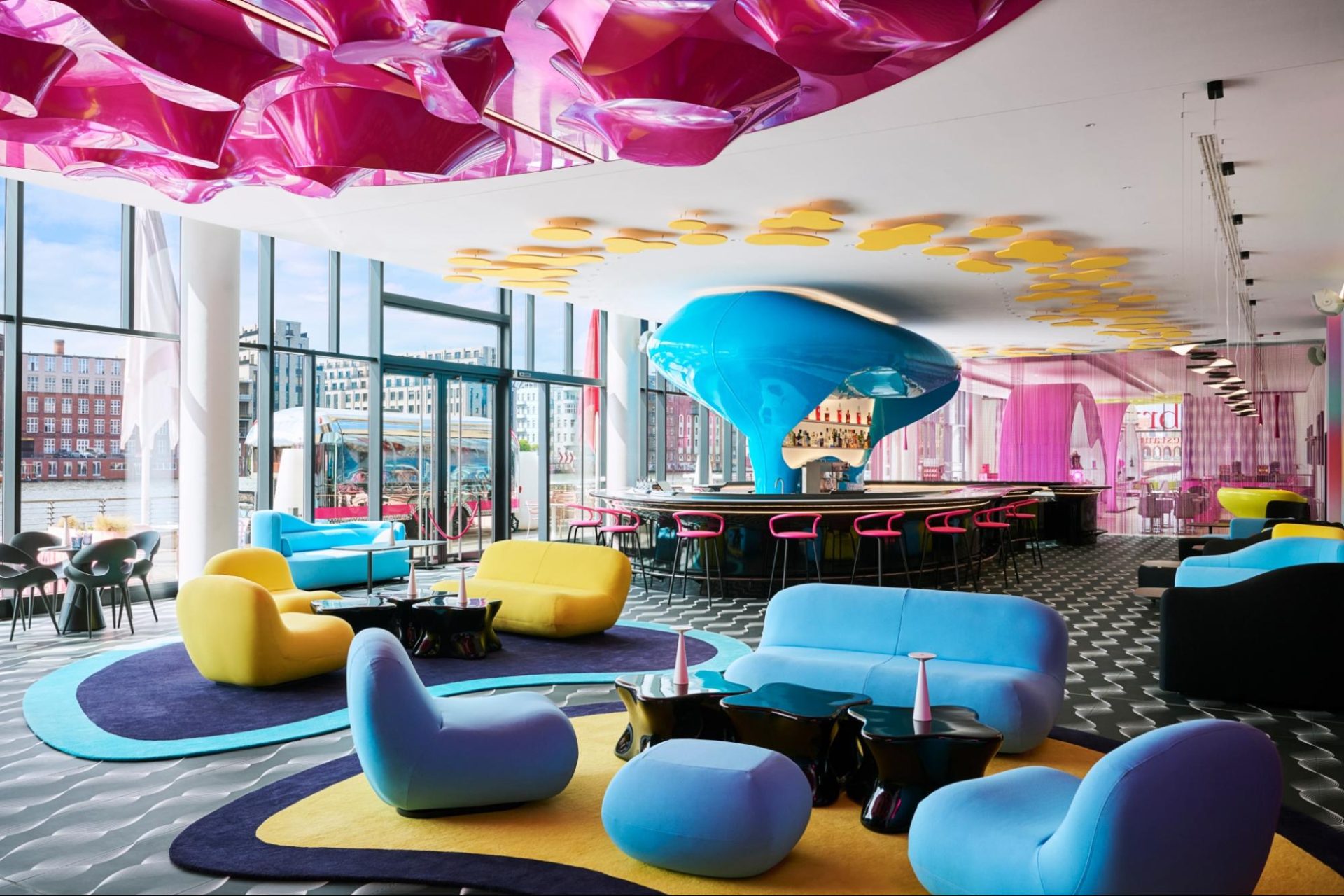
KR: We feel color before we analyze it. A room can lift our mood, calm us, or make us feel alive simply through its palette. Color also carries memory and cultural meaning, so each person brings something different to it. For me, its spirituality lies in that immediate, intangible connection between our surroundings and how we feel.
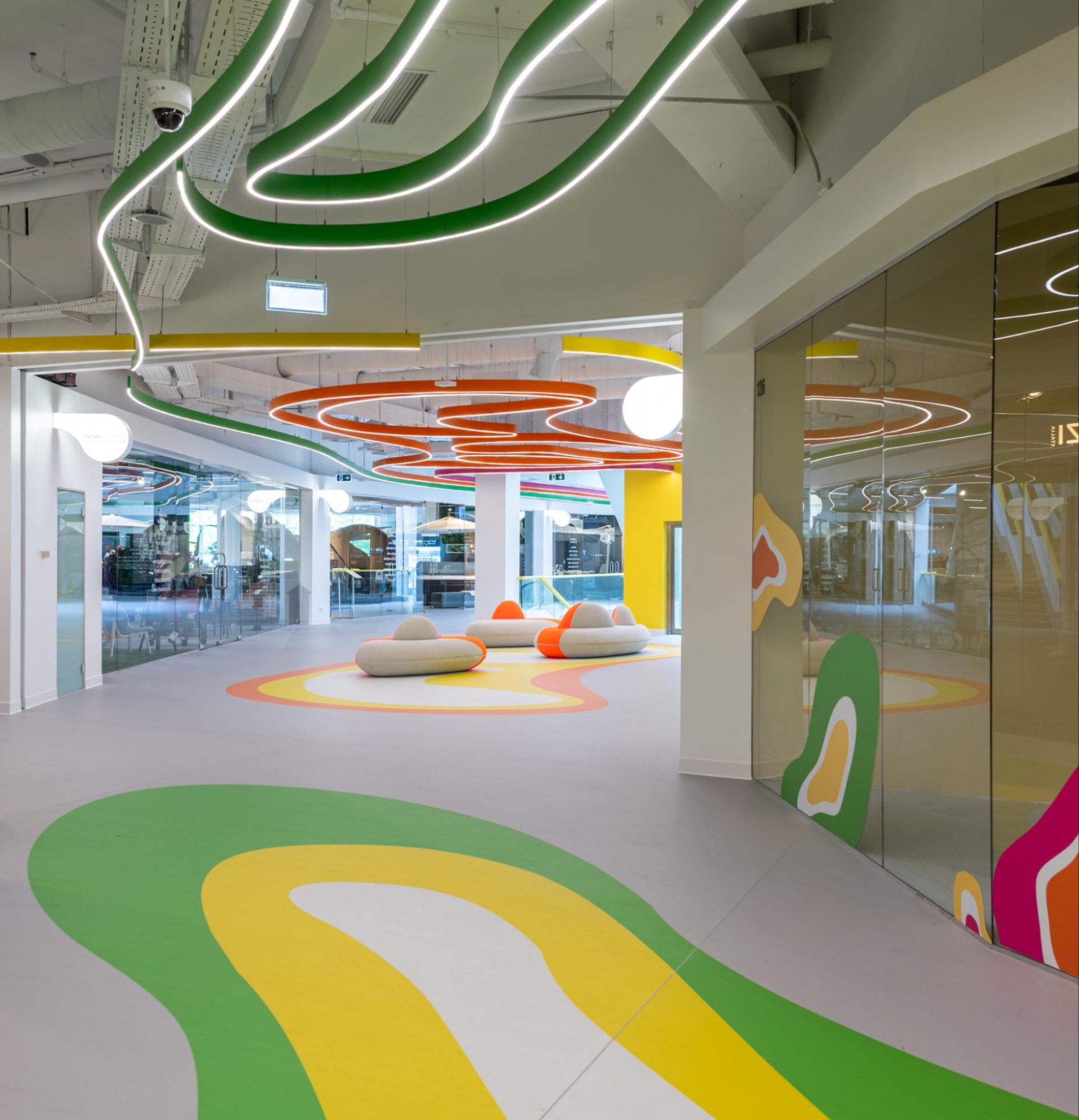
DC: What is the essence of classic, timeless color and design?
KR: I do not design with the goal of looking timeless. Too often that becomes an excuse to avoid taking risks. I want to create work that belongs to its time and moves us forward. A design endures when it gives people a meaningful experience, whether its color is vivid or quiet.
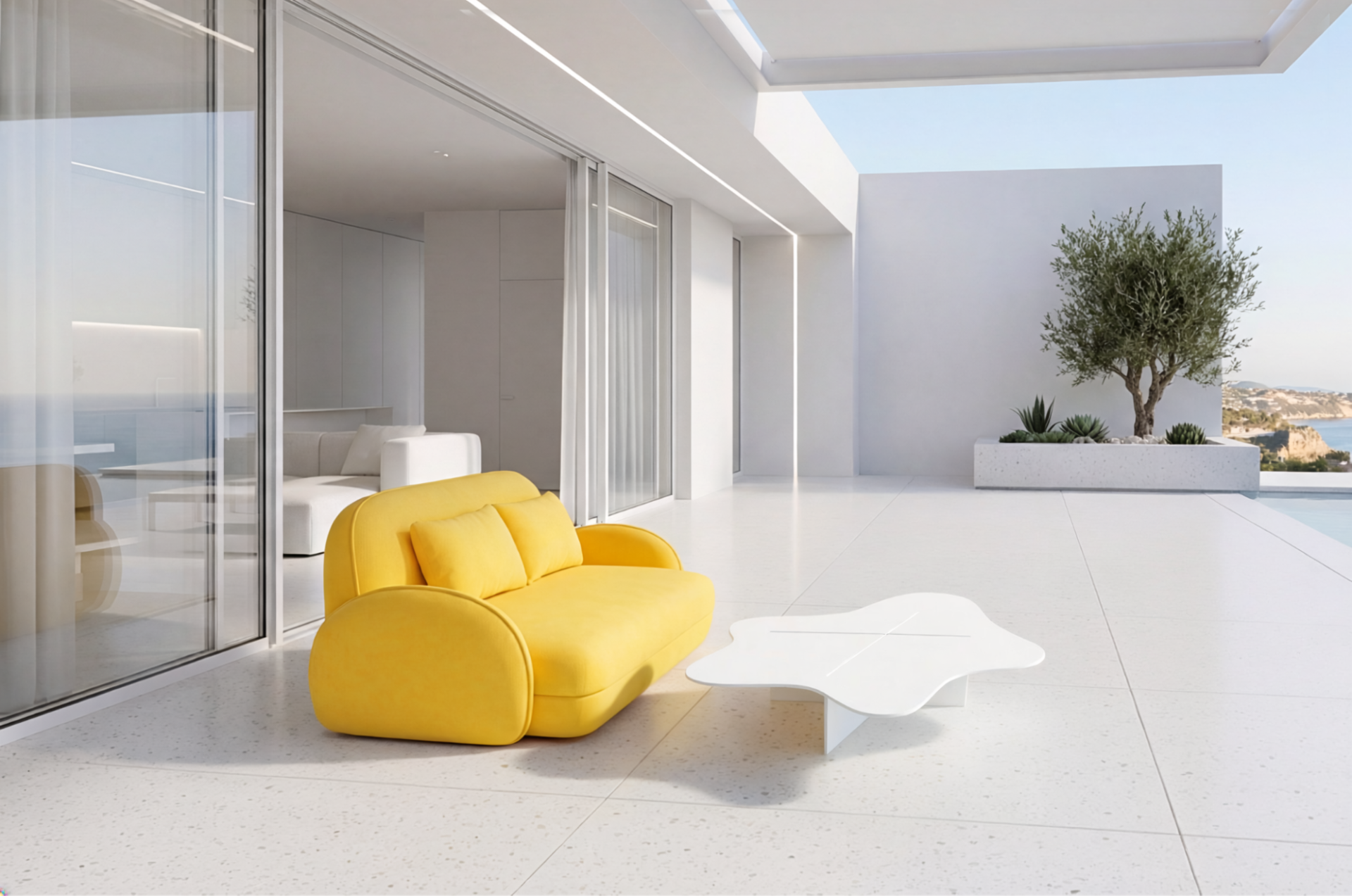
DC: How do you define color minimalism and color maximalism?
KR: Color minimalism uses a few colors with great intention. One electric blue surface in a white space can have more impact than a room filled with color. Maximalism layers colors and creates energy through their relationships. I love both. What matters is having a clear idea behind the palette.
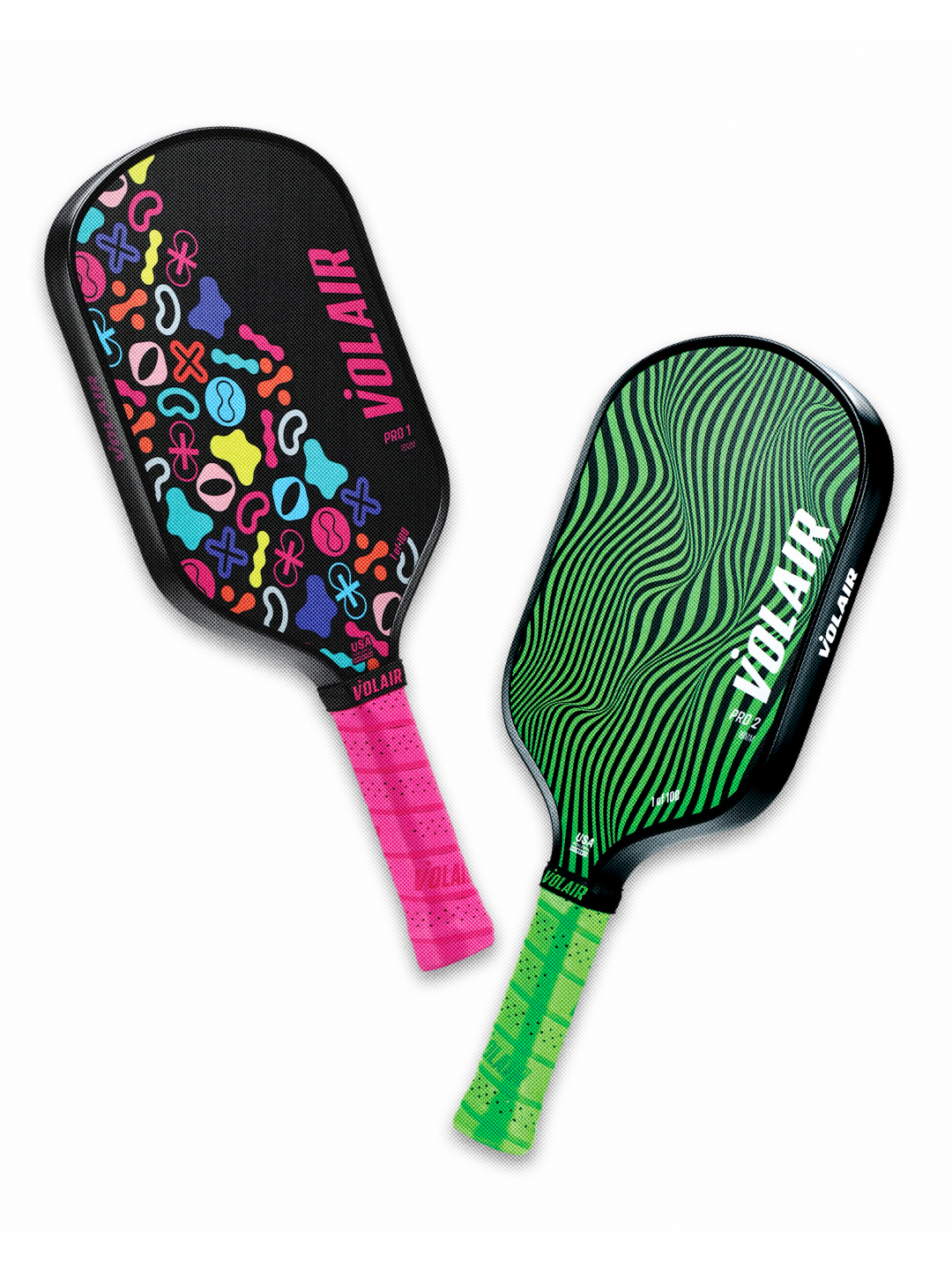
DC: Choose one ordinary everyday object you haven’t yet redesigned. What would it look like?
KR: An electric car. Cars are among the most visible objects in our daily lives, yet so many still look as though they were designed around an engine that is no longer there. I would start with the freedom electric technology gives us: a more open interior, a new silhouette, and a more intuitive relationship between the car and the person inside it. I imagine a sensual, lightweight form with color integrated into its identity. It should feel like a new way to move through the world.
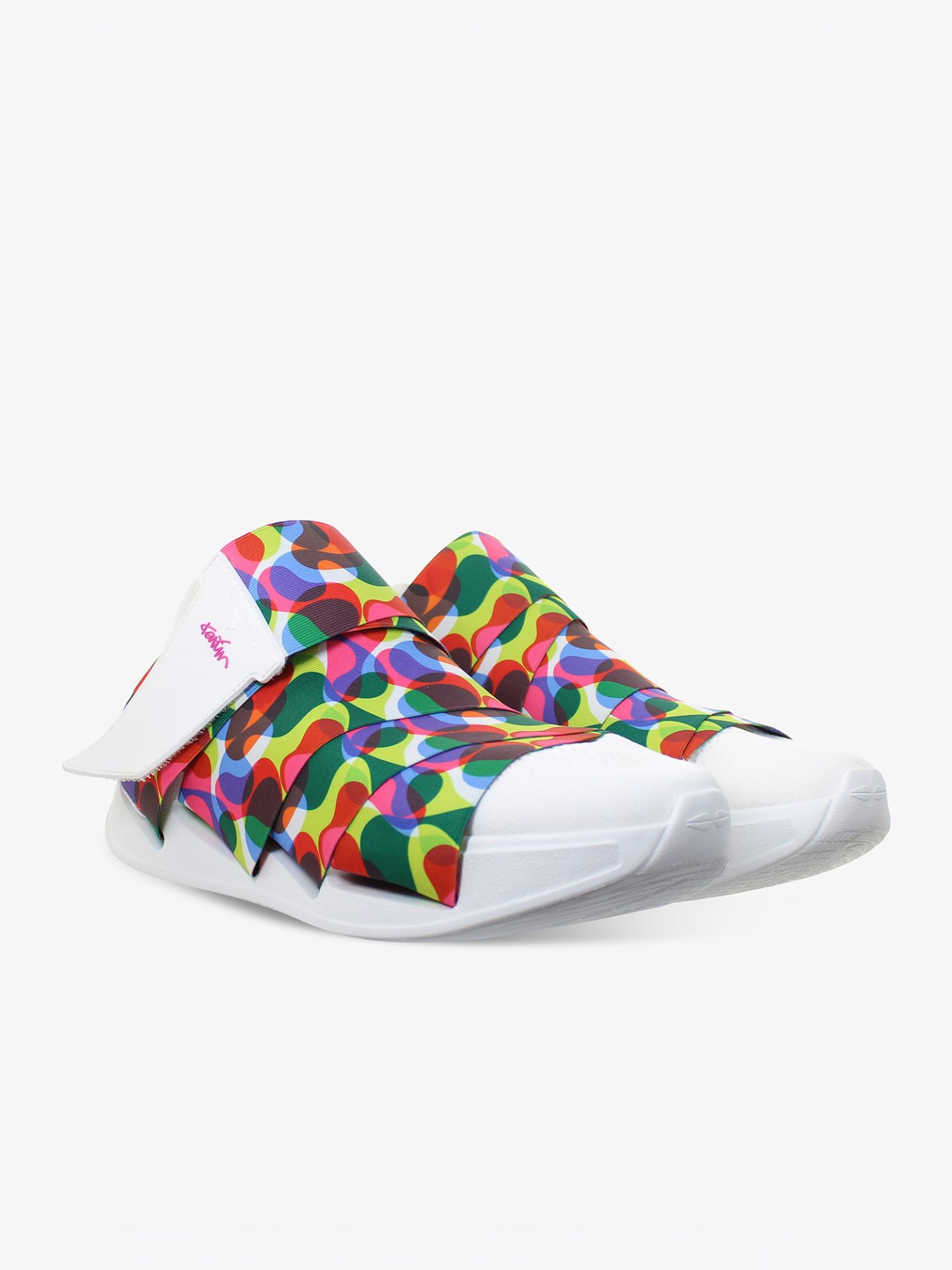
DC: What has AI changed in your life?
KR: It has made it faster to explore and communicate ideas. I can test possibilities and see directions that might otherwise take much longer to visualize. But the idea, the judgment, and the responsibility remain human. I use AI as a tool in a creative process that is still driven by curiosity and imagination.
DC: If you could repaint one city, which would you choose, and what palette?
KR: I would choose New York. After living there for 34 years, I know how much energy and diversity it contains, but so much of its built environment has become grey, black, and beige. I would bring color to the places people share every day: transit, street furniture, public spaces, and building entrances. But the colors need to be controlled well, color minimalism, since there is so much visual pollution in the city. I would select a palette that can brand the city and make the city feel as alive as its people.