
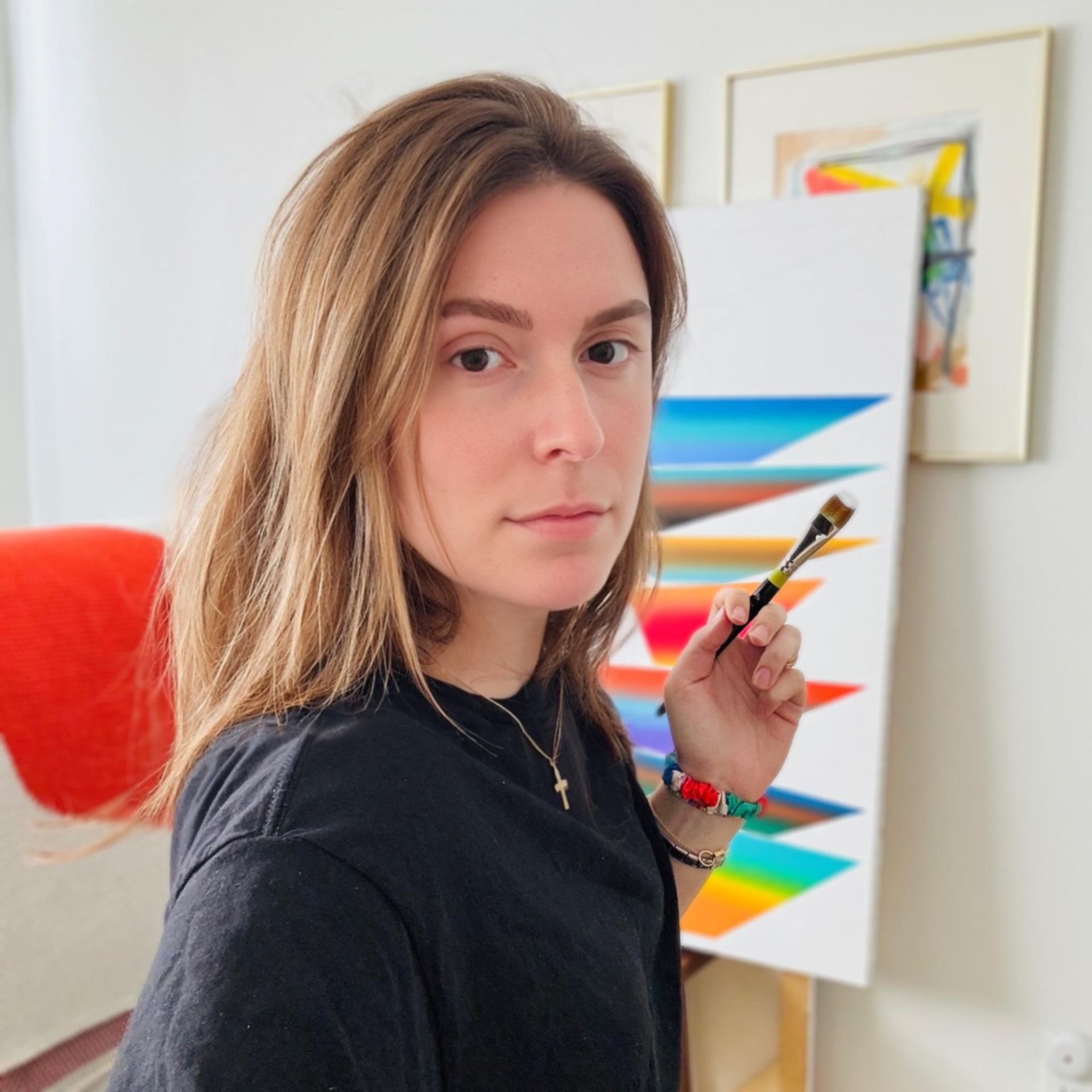
Artist Amber Vittoria started out working in design and art direction, and she was very good. On the side, she was creating something else entirely: bold, full-figured female characters in quirky poses. Bright, vivid color. Real women. That side project turned into a body of work that challenged the convention of how women are depicted in illustration, and the world noticed. Forbes 30 Under 30. Society of Illustrators Gold Medal. AOI World Illustration Overall Winner. Clients like Apple, Google, Gucci, The New York Times, Condé Nast, and Adidas. Sold-out collections. Her day job never stood a chance against her artistic point of view.
Now based in Los Angeles, Amber works in ink, colored pencil, and acrylic, originally letting the fluidity of her materials lead her into aqueous rainbow gradients. Her newer chromatic abstract drawings have taken her somewhere more vulnerable. She went through infertility and IVF to become a mother, and the shapes got freer, the forms looser. She communicates gratitude, overwhelm, and vulnerability. This new work is about emotion and what society tells women to be. Color maximalism is her chosen language.
Find Vitorria’s electric work at ambervittoria.district.site, and follow her at @amber_vittoria. Her energy is a radiant life necessity.
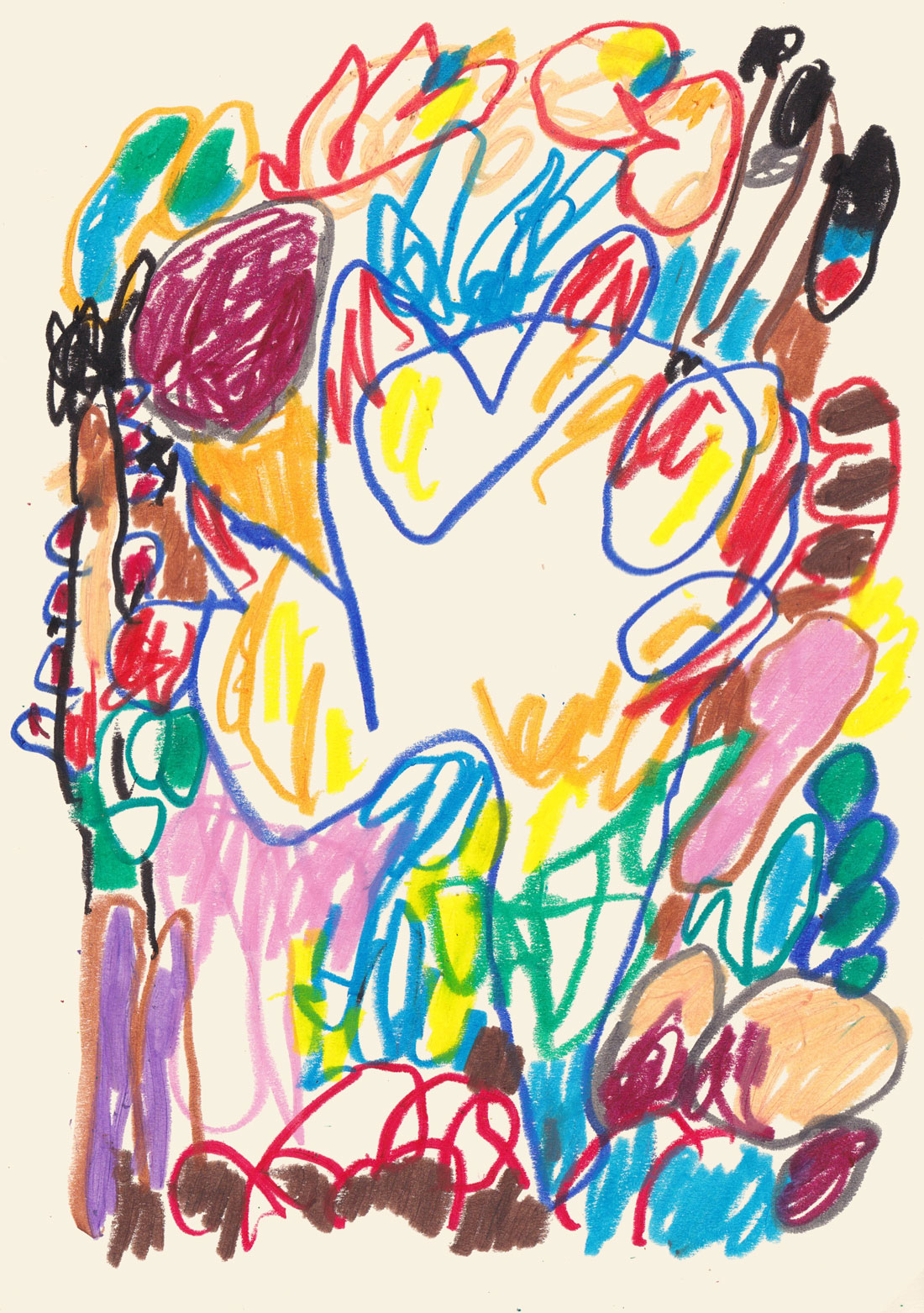
A Study In Make Believe, Amber Vittoria
DC: What is your favorite color, and why?
AV: I don’t think I could ever commit to just one favorite color because I experience color emotionally. Certain colors feel louder or softer depending on the season of life I’m in. Lately I’ve been really drawn to warm reds, buttery yellows, and kelly greens because they feel nurturing and optimistic to me. I love color because it has this immediate emotional language. Before someone understands the shapes or narrative in a painting, they feel the color first.
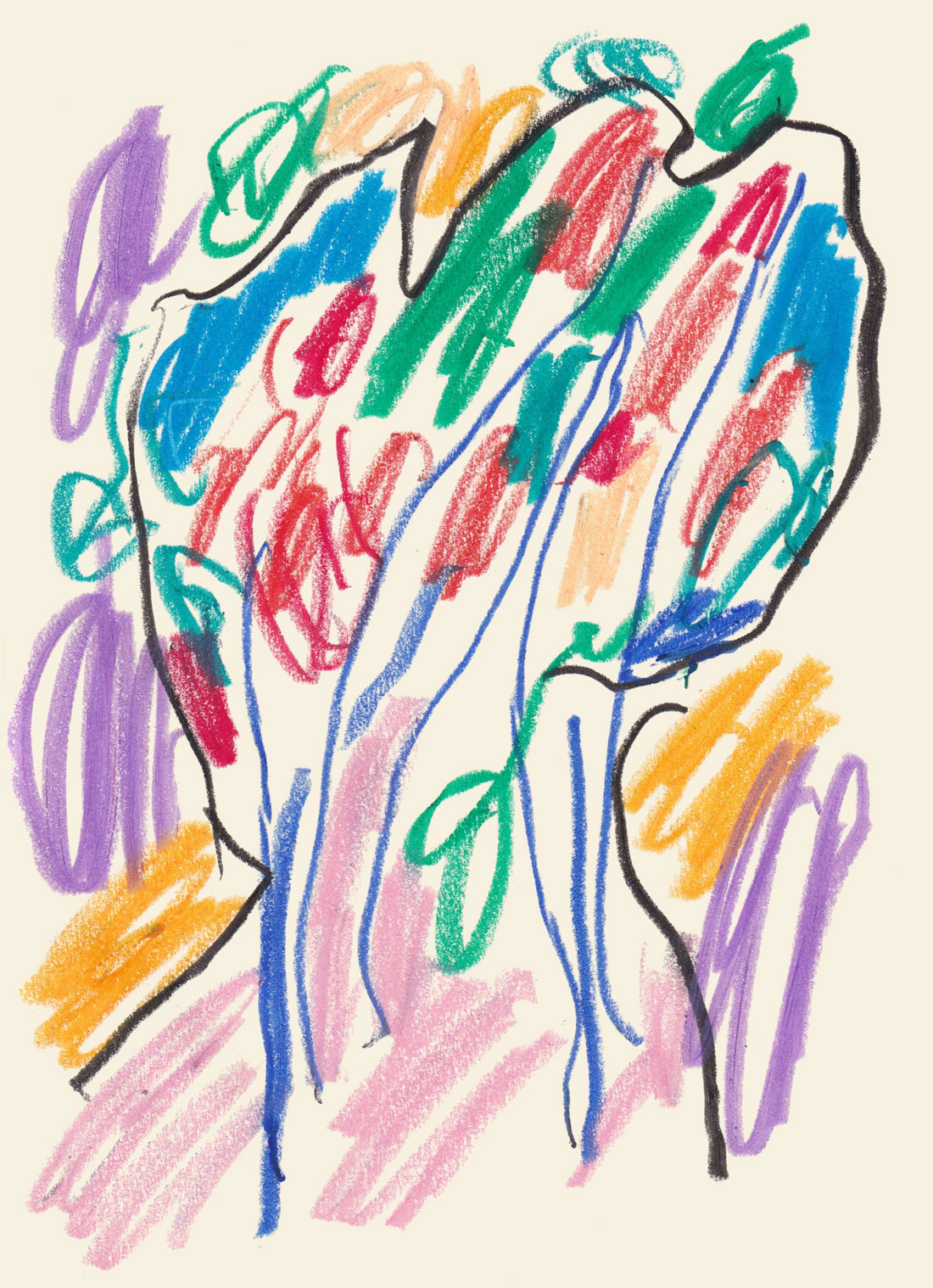
How A Tree Sees Me, Amber Vittoria
DC: What role did color play in your childhood, and how does this still show up in your artwork today?
AV: Color was always a form of comfort and expression for me growing up. I think I gravitated toward bright, playful color palettes because they felt hopeful and alive. I loved cartoons, fashion, stickers, markers, anything saturated and joyful. I also grew up around New York, where even the movement of the city felt colorful to me.
That relationship to color still shows up in my work today, but now it feels more layered. I use color almost like emotional storytelling. Sometimes a palette reflects joy or tenderness, other times it reflects overwhelm, longing, or growth. Even when my work becomes more abstract, color is usually the thing grounding the emotional experience.
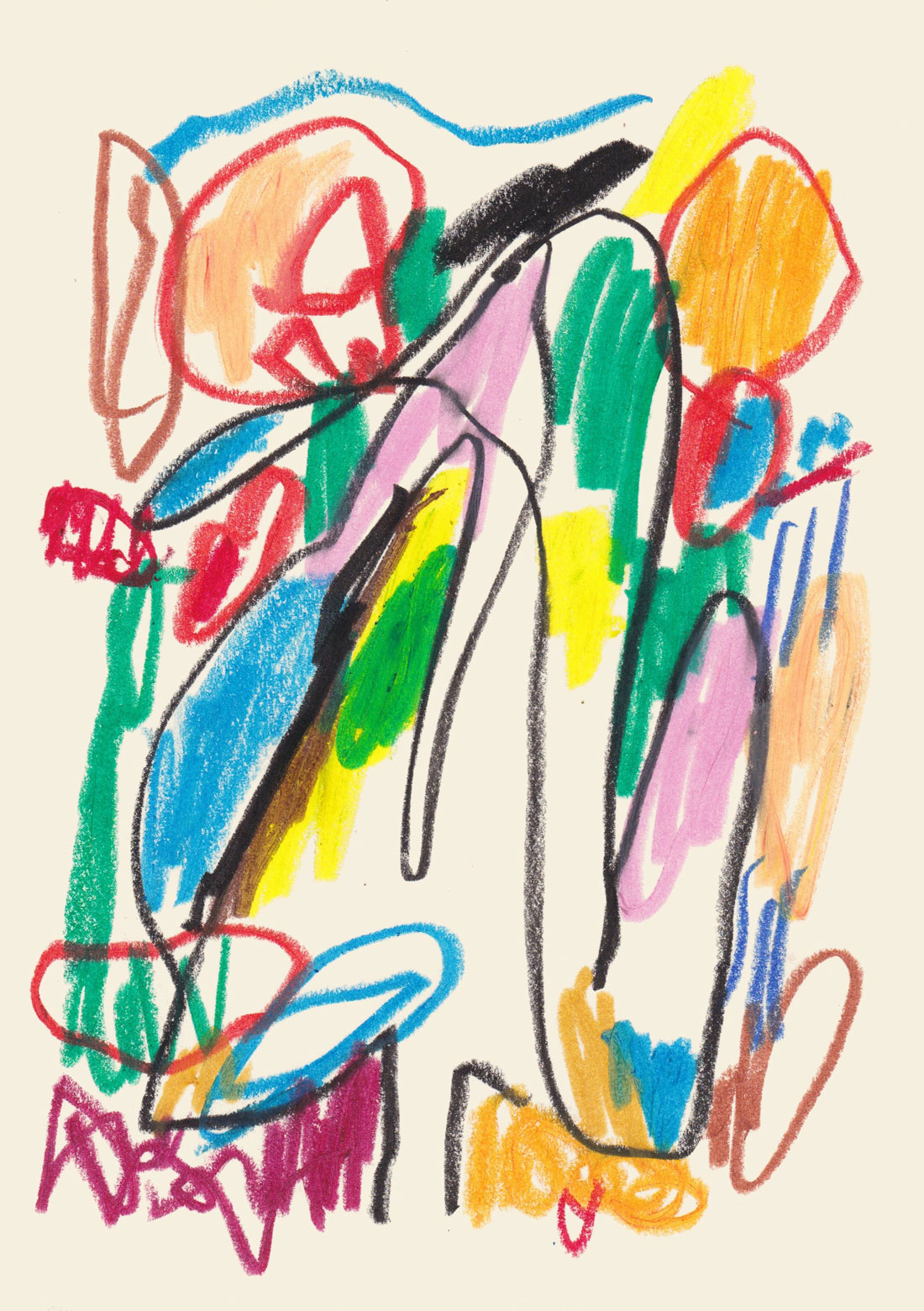
I Don’t Like That This Is Normal, Amber Vittoria
DC: Many of your paintings explore women’s emotions and identity. Would you tell us about your motherhood experience?
AV: Motherhood has completely changed me personally and creatively. Becoming a mother after going through infertility and IVF made me much more aware of how emotionally complex womanhood can be. There’s so much beauty in motherhood, but also exhaustion, fear, identity shifts, and this constant balancing act between caring for yourself and caring for someone else.
I think my work has become more vulnerable because of it, and I’m less interested in perfection now and more interested in honesty. A lot of my recent work explores emotional duality, how you can feel grateful and overwhelmed at the same time, or deeply connected to yourself while also feeling transformed by another person. Motherhood made me more accepting of contradiction, and I think that openness has really shaped the work.
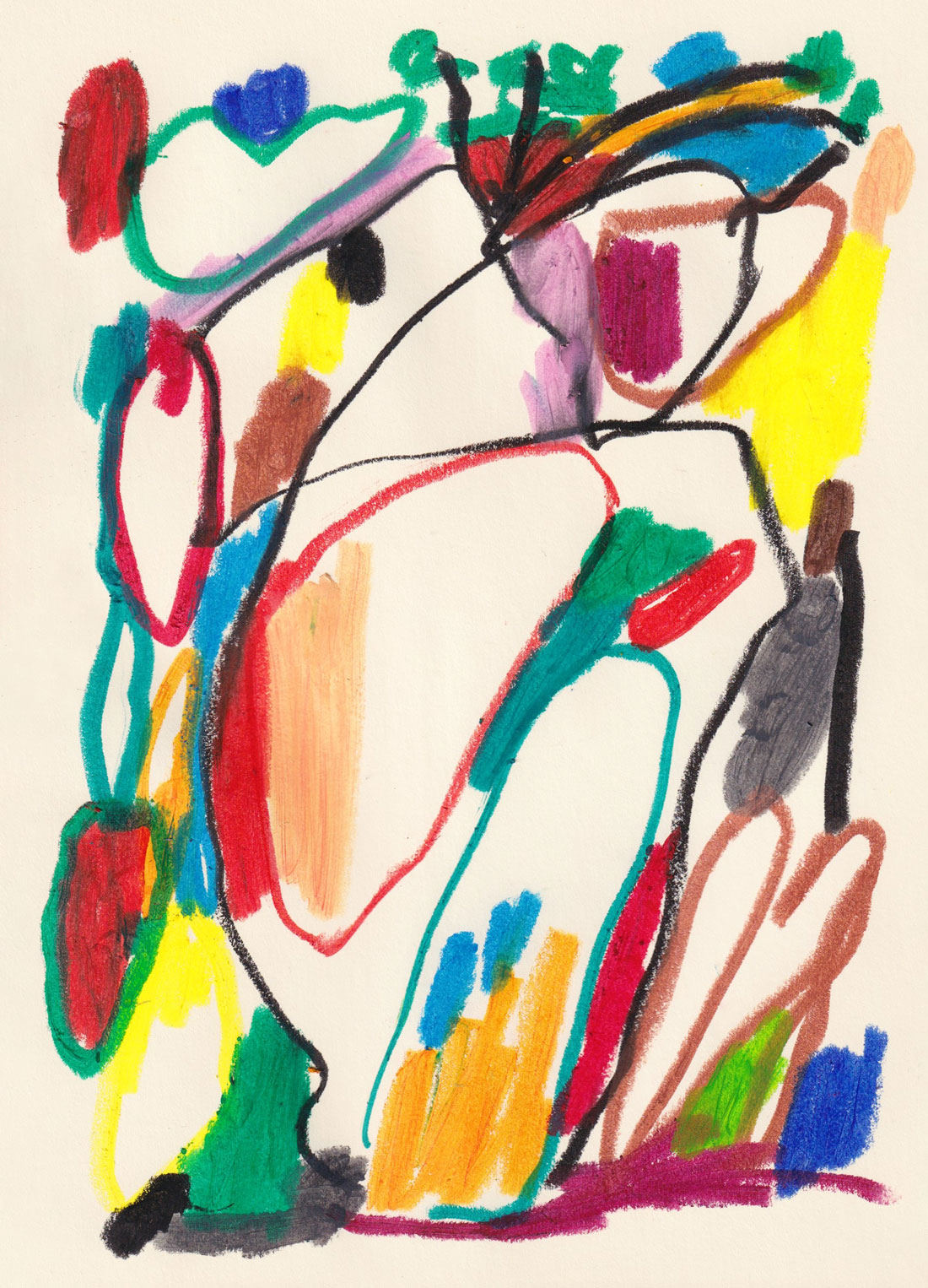
Can You Juggle, Amber Vittoria
DC: Your newer work feels more abstract than your earlier pieces. How is your style evolving?
AV: I think I’ve become more trusting of abstraction as a language. Earlier in my career, I felt more pressure to make work that was immediately readable. Now I’m more interested in creating emotional impressions rather than direct narratives.
A lot of my newer work focuses on movement, intuition, and energy. I still think about the body and identity, but in a less literal way. The shapes have become freer and more fluid, almost like emotions taking physical form. I’ve also become more comfortable leaving space for interpretation. I like the idea that someone can bring their own experiences into the work and see themselves in it.
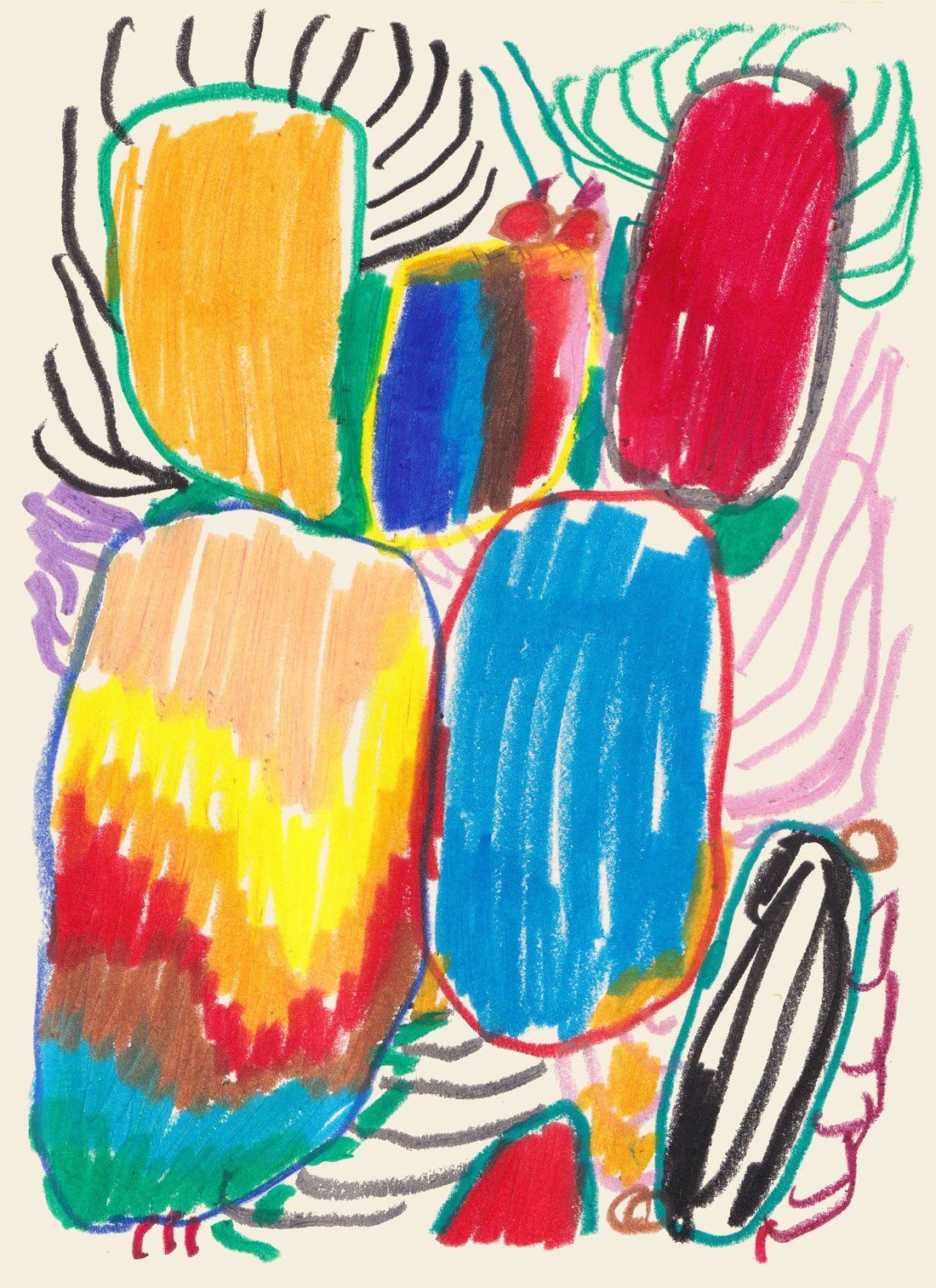
My Facial Hair Postpartum, Amber Vittoria
DC: When people look at your work ten years from now, what do you hope they understand about your relationship with color?
AV: I hope people understand that color was never decorative to me. I want people to feel that I used color as a way to process life and connect with others. I also hope they see a sense of optimism in the work. Even when I’m painting about vulnerability or uncertainty, I still want the color to hold warmth and humanity. If someone looks at my work years from now and feels a little more seen, comforted, or emotionally open because of the color, that would mean everything to me.