

Before you meet Helga Stentzel, imagine a clothesline where shirts turn into dogs, socks become elephants, and groceries develop personalities, created by deliberate, high impact color choices that pull your eye exactly where she wants it. A London based photographer and conceptual artist, Stentzel is best known for her globally beloved Clothesline Animals series, exhibited across Europe, Asia, and the United States, and commissioned by major international brands and cultural institutions. Her use of bold, bright color acts as visual punctuation and comic timing. Trained in fashion and design, Stentzel has built a career around the idea that color is direction, a tool that somehow delivers the feeling that your laundry may be smarter than you are.
DC: What is your favorite color, and why?
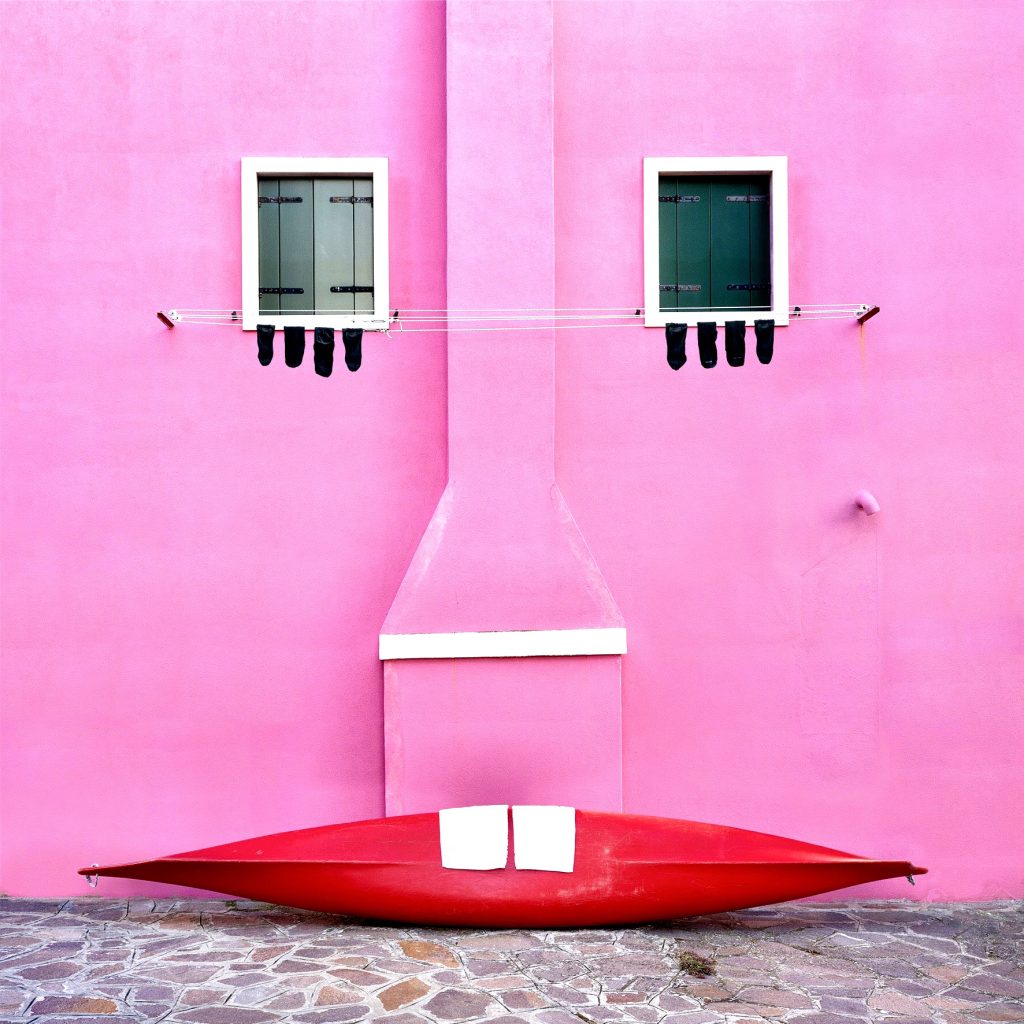
HS: Oooh, that’s a tricky question. It’s very difficult for me to pick a favourite colour as I am definitely more about colour combinations than individual shades. I really enjoy a pop of neon against a dark or neutral colour: a touch of neon orange on deep burgundy or a bit of neon yellow with teal.
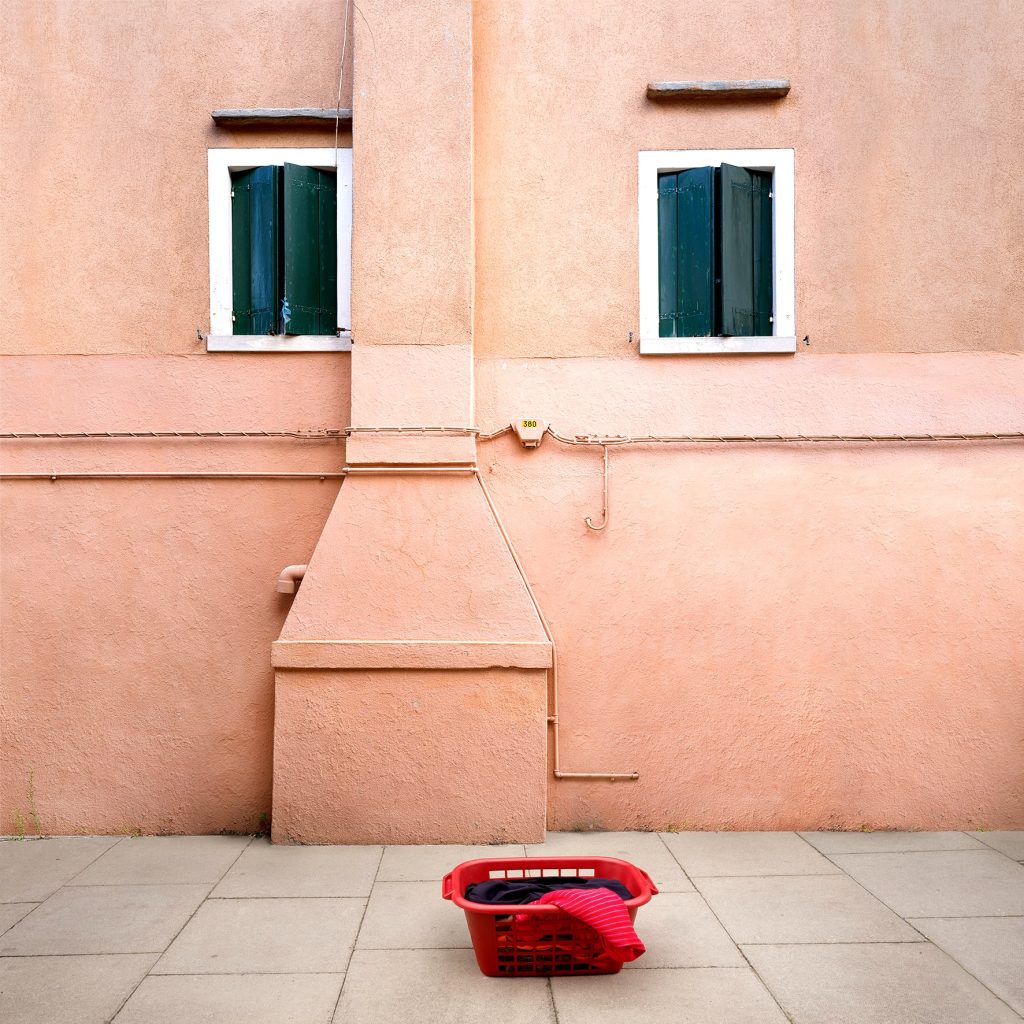
DC: In “Clothesline Animals,” how do hue, saturation, and contrast function as tools for instant emotional connection?
HS: In Clothesline Animals, hue, saturation, and contrast work together like emotional shortcuts: they help the viewer feel something before they have time to analyse what they’re looking at.
- Hue is kept familiar and domestic. Soft whites, washed-out pastels, denim blues, gentle pinks: colours that belong to everyday laundry. This familiarity lowers the viewer’s guard and creates immediate comfort and recognition.
- Saturation is restrained rather than loud. Nothing screams. The slightly muted tones feel lived-in and human, evoking warmth, care, and tenderness rather than spectacle. It mirrors the emotional register of childhood memories and home life.
- Contrast is where the spark happens. Clear separation between the animal form and its background allows the creature to “snap” into focus instantly. The eye recognises the animal in a split second, triggering surprise, joy, and a small moment of delight
Together, these choices create an instant emotional bond: comfort first, recognition second, wonder third. The colours don’t compete with the idea. They quietly guide the viewer straight into it.
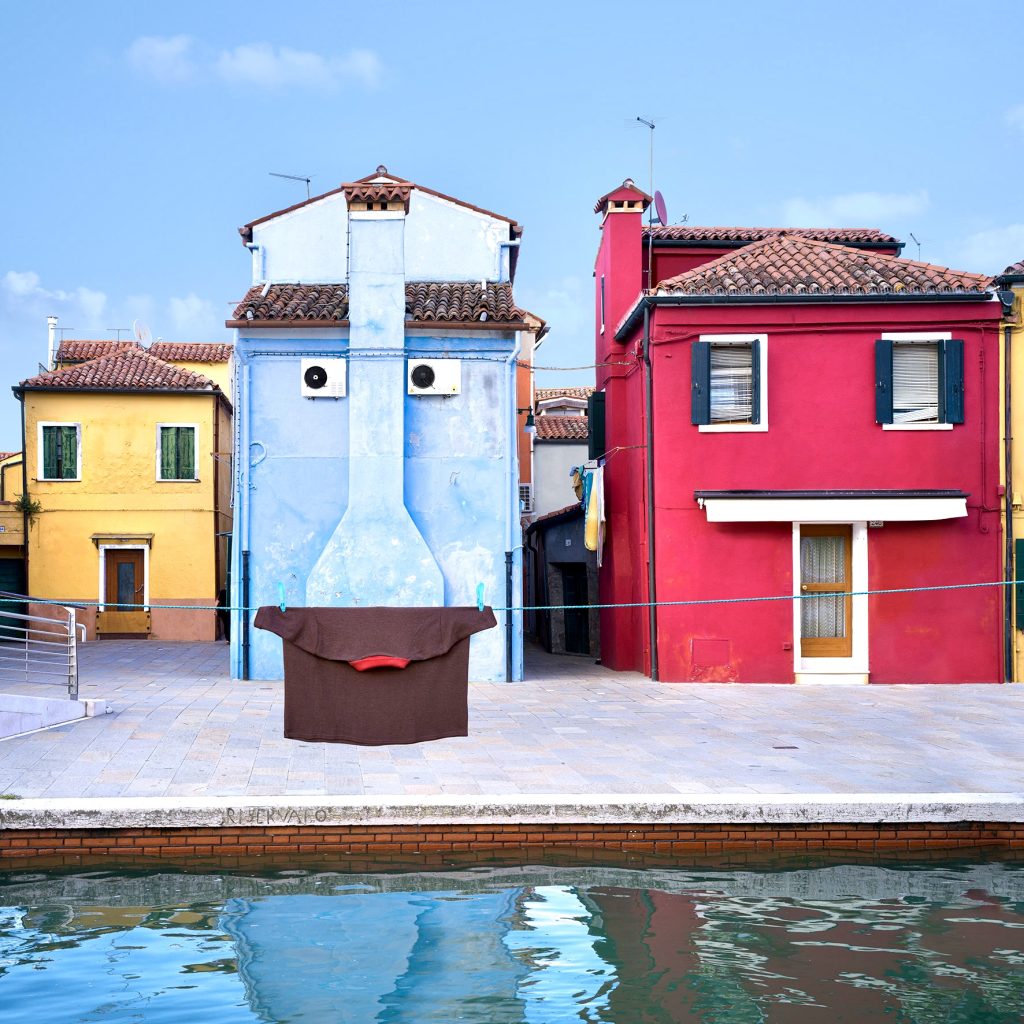
DC: How have your upbringing, and training in fashion, shaped your sensitivity to the color within ordinary, utilitarian materials?
HS: My sensitivity to colour comes from growing up with very little. Ordinary things mattered: clothes were worn, repaired, washed again and again. Colour wasn’t something decorative or excessive; it was something that aged, softened, faded, and carried memory. That taught me early on to notice subtle shifts, e.g. how a white is never just white, how time changes colour, and how emotion sits inside wear.
Training in fashion sharpened that awareness. Fashion teaches you to read materials closely: how fabric absorbs dye, how colour behaves differently in cotton, denim, knit, or synthetic blends, and finally, how light changes everything.
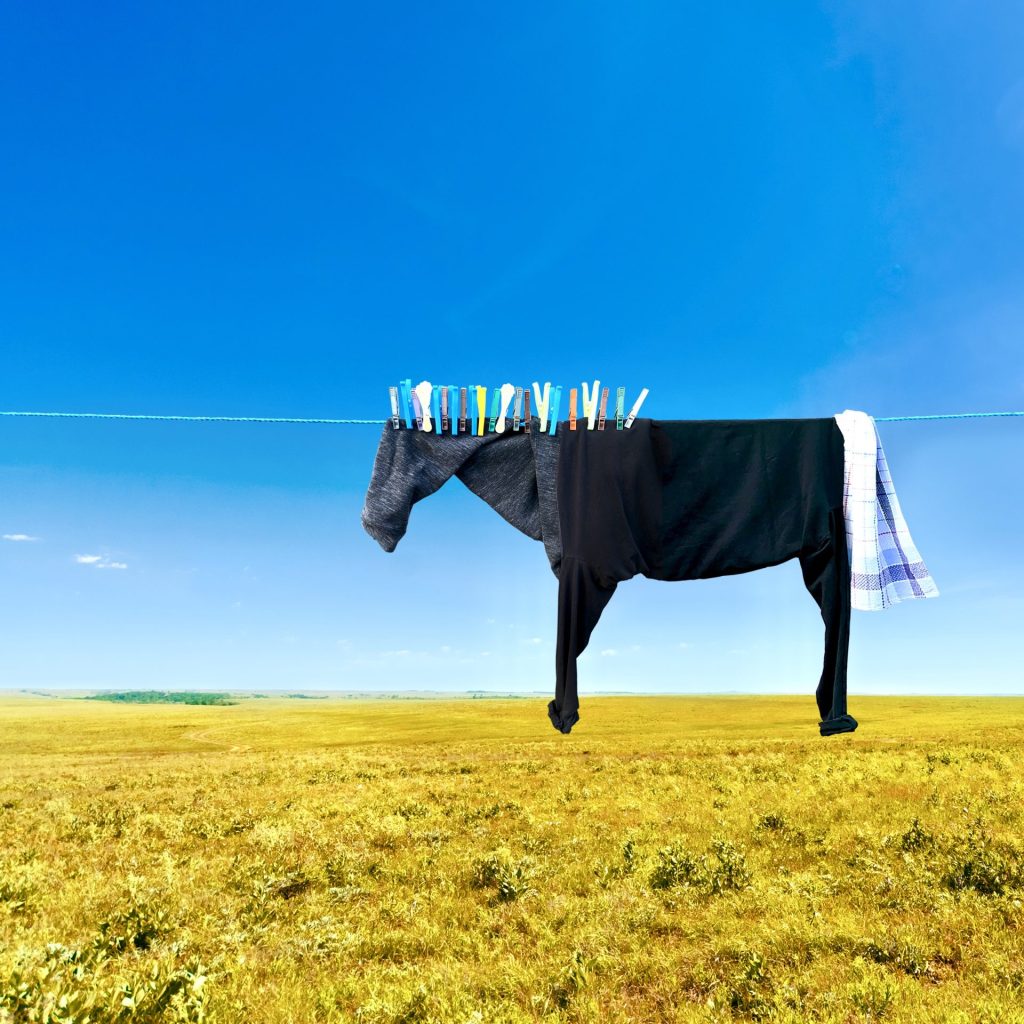
DC: Your work feels colorful, playful, and very precise; how do you maintain that balance?
HS: For me, playfulness only works when it’s held by precision. If everything is loose, the magic disappears; if everything is controlled, it becomes stiff. The balance comes from letting the idea arrive playfully, but executing it with care and discipline. I think of it as a conversation between instinct and craft. The instinct brings joy and spontaneity; the craft gives it structure. When those two are in balance, the work can feel playful, colourful, and exact all at once, like something that was discovered accidentally, but could only exist through attention.

DC: And your advice for emerging photographers?
HS: In the era of social media, the best thing one can do is build a relationship with their work that isn’t dependent on immediate response. Do something you genuinely enjoy – no matter what other people think. Audiences come and go, algorithms change, but a sustained practice grows quietly over time. If you stay honest and attentive, your photographs will eventually find the people who need them.
More Is More is More!
helgastentzel.com
@helgastentzel